
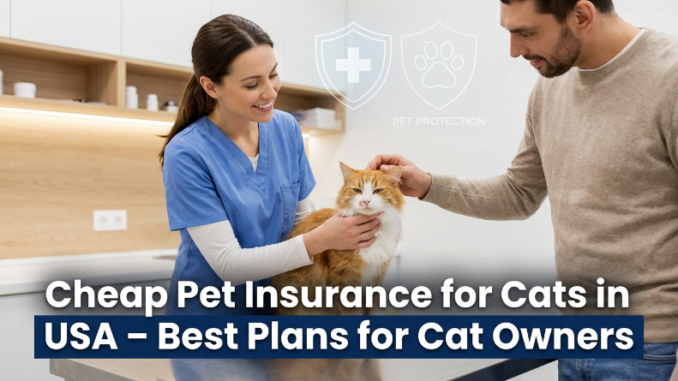
Cats are beloved companions in millions of American households. They are playful, independent, and often considered part of the family. However, like any pet, cats can experience health problems, accidents, and unexpected medical emergencies. Veterinary care in the United States can be expensive, which is why many pet owners are now considering pet insurance for their cats.
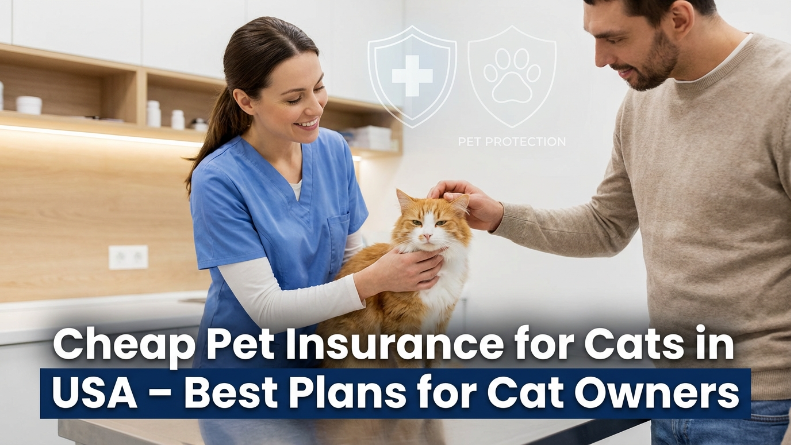
Pet insurance helps cover the cost of veterinary treatments, surgeries, and medications, allowing owners to focus on their pet’s health instead of worrying about the financial burden. In this guide, we will explore how pet insurance for cats works in the USA, what it typically costs, and how to choose the best policy for your feline companion.
What Is Pet Insurance for Cats?
Pet insurance for cats is a type of health insurance policy designed to help cover veterinary expenses. When your cat becomes sick, injured, or requires medical treatment, the insurance provider reimburses part of the veterinary costs depending on your policy.
Unlike human health insurance, pet insurance generally works on a reimbursement model. This means that the pet owner pays the veterinary bill first and then submits a claim to the insurance company for reimbursement. The company then reviews the claim and reimburses a percentage of the eligible expenses.
Most cat insurance plans cover a wide range of medical situations, including accidents, illnesses, surgeries, diagnostic tests, prescription medications, and sometimes preventive care. Coverage options vary between providers, which is why comparing policies is essential before making a decision.
Why Cat Owners in the USA Are Choosing Pet Insurance
Veterinary care has improved significantly over the past decade, offering advanced treatments such as MRI scans, specialized surgeries, and long-term disease management. While these medical advances are beneficial for pets, they can also lead to higher veterinary bills.
Many cat owners choose insurance because it helps protect them from unexpected financial stress. A single emergency surgery or serious illness can cost thousands of dollars. Without insurance, these costs must be paid entirely out of pocket.
Pet insurance allows cat owners to focus on providing the best medical care for their pets without delaying treatment due to financial concerns. It also provides peace of mind knowing that if something happens to their cat, they have financial support to manage the situation.
How Pet Insurance for Cats Works
Pet insurance operates similarly to many traditional insurance models. Cat owners select a policy, pay a monthly premium, and receive coverage for eligible veterinary expenses.
When your cat requires treatment, you visit a licensed veterinarian of your choice. After paying the bill, you submit a claim to your insurance provider. The company reviews the claim and reimburses a percentage of the cost according to your plan’s reimbursement rate and deductible.
Most pet insurance policies include three key components: the premium, the deductible, and the reimbursement rate. The premium is the amount you pay each month to maintain the policy. The deductible is the amount you must pay before the insurance coverage begins. The reimbursement rate is the percentage of the vet bill that the insurer will pay after the deductible has been met.
Understanding these components helps cat owners select a plan that balances affordability with adequate coverage.
Average Cost of Cat Insurance in the USA
The cost of pet insurance for cats varies depending on several factors, including the cat’s age, breed, location, and the level of coverage selected.
In the United States, the average monthly premium for cat insurance typically ranges between $15 and $45 per month for standard accident and illness coverage. Comprehensive plans that include wellness care and preventive services may cost slightly more.
Younger cats generally have lower premiums because they are less likely to develop health issues. Older cats, on the other hand, may have higher insurance costs due to increased health risks.
Breed can also affect insurance rates. Certain breeds are more prone to genetic conditions, which may influence the price of coverage. Additionally, veterinary costs vary by region, meaning pet owners in major cities may pay slightly higher premiums than those in smaller towns.
Best Pet Insurance Companies for Cats in the USA
| Insurance Provider | Best For | Monthly Cost Range | Notable Features |
| Healthy Paws | Comprehensive coverage | $20 – $40 | Unlimited lifetime benefits |
| Trupanion | Direct vet payments | $25 – $45 | Fast claims processing |
| Lemonade Pet Insurance | Affordable plans | $15 – $35 | Simple digital platform |
| ASPCA Pet Health Insurance | Flexible coverage | $20 – $40 | Multiple plan options |
| Embrace Pet Insurance | Customizable policies | $18 – $38 | Wellness add-ons available |
Each provider offers different coverage options, reimbursement rates, and deductibles. Before selecting a policy, it is helpful to compare quotes and read customer reviews to determine which company best fits your needs.
What Does Cat Insurance Typically Cover?
Most pet insurance plans provide coverage for both accidents and illnesses. This includes treatments for broken bones, infections, allergies, digestive issues, and chronic diseases such as diabetes.
Coverage may also include diagnostic tests like blood work, X-rays, and ultrasounds. Surgical procedures and hospitalization are often covered as well, which can significantly reduce the financial burden of emergency care.
Some insurance providers also offer optional wellness plans. These plans help cover routine veterinary services such as vaccinations, annual checkups, flea prevention, and dental cleanings. However, it is important to understand that not all services are automatically included in every policy. Pet owners should review the details carefully to understand exactly what is covered.
Common Exclusions in Cat Insurance Policies
While pet insurance can provide valuable financial protection, certain conditions and treatments may not be covered. One of the most common exclusions involves pre-existing conditions. If a cat has a health condition before the insurance policy begins, the insurer may not cover treatment related to that condition.
Some policies may also exclude cosmetic procedures, breeding-related treatments, or experimental therapies. Waiting periods are another common feature, meaning coverage may not begin immediately after purchasing the policy. Reading the policy terms carefully helps ensure that pet owners fully understand what their plan includes and avoids surprises when filing claims.
How to Choose the Best Cat Insurance Plan
Selecting the best pet insurance plan for your cat requires careful evaluation of several factors. Coverage limits are one of the most important considerations. Some policies have annual payout limits, while others offer unlimited lifetime coverage.
Deductibles and reimbursement rates also influence the overall value of a policy. A higher deductible may lower your monthly premium, but it means paying more out of pocket before insurance coverage begins. Customer service reputation and claims processing speed are also important. A reliable insurance provider should process claims efficiently and provide clear communication throughout the process.
Finally, consider the long-term affordability of the plan. Premiums may increase as your cat ages, so choosing a policy that remains manageable over time is important.
Is Pet Insurance for Cats Worth It?
For many cat owners, pet insurance is a worthwhile investment. Veterinary costs can be unpredictable, and serious illnesses or accidents can lead to expensive treatments.
Insurance provides financial protection and allows pet owners to focus on their cat’s health instead of worrying about medical bills. It can also make it easier to approve necessary treatments that might otherwise be financially difficult.
However, the value of pet insurance ultimately depends on your financial situation, your cat’s health, and your willingness to manage potential medical costs on your own. Some owners prefer saving money in a dedicated pet emergency fund, while others prefer the security of insurance coverage.

Leave a Reply